


-
- The History of Chocolate Until the sixteenth century, chocolate was only known by the Aztec and Mayan civilizations in Mesoamerica but it wasn’t in the form and shape that we see today. Cacao beans used to be grounded by the local inhabitants around 1500 B.C. and were mixed with several kids of peppers. Chocolate used to be offered as an invigorating concoction drink. Mayans believed that the tree was a gift from a God named ‘Kukulkan’ and that’s why scientists named the Cacao tree ‘Theobroma’, which means the food of the Gods. Because of its importance and religious value, leaders used to gift Cacao seeds to the fighters after triumph and they even used to use it as an alternative of currency.
Spanish explorers realized the financial value of chocolate, or cacao, trade. Hernan Cortes, one of the missionaries, brought it to Europe in the 16th century and drinking cacao gradually became a habit all over the continent. It reached Britain later in the middle the 17th century. The turning point for the spread of chocolate industry was in 1847 when the British Joseph Fry and his son discovered a way to mix cacao powder with sugar and pressure the mix to make out of it the solid chocolate bars that we know today.
Cadbury, which was and still the pioneer in the industry, was the first market leader to put chocolate in boxes and sell it in packages the way we usually see today. A few years later, Nestle followed Cadbury in packaging and wrapping chocolate and invited a new line in the industry; milk chocolate. After a couple of years, the Swiss inventor Rodolphe Lindt added cacao butter to chocolate as an essential ingredient which gave it the amazing feature of saving the shape before consuming and melting in the mouth.
There are many stories and fancies about chocolate with no real evidence or reliable source but they are still interesting and widely known. Napoleon used to depend on it during his campaigns and battles as a main source of power as well as Casanova as a source of positive hormones and a good mood.
Côte d’Ivoire (Ivory Coast), Ghana, and Indonesia are considered the most important exporters of cocoa, the main ingredient of chocolate these days. However the citizens of these counties might not be the most consumers of the product since they consider it as a source of financial profit, more than a source energy or a daily food.
- The History of Chocolate Until the sixteenth century, chocolate was only known by the Aztec and Mayan civilizations in Mesoamerica but it wasn’t in the form and shape that we see today. Cacao beans used to be grounded by the local inhabitants around 1500 B.C. and were mixed with several kids of peppers. Chocolate used to be offered as an invigorating concoction drink. Mayans believed that the tree was a gift from a God named ‘Kukulkan’ and that’s why scientists named the Cacao tree ‘Theobroma’, which means the food of the Gods. Because of its importance and religious value, leaders used to gift Cacao seeds to the fighters after triumph and they even used to use it as an alternative of currency.
The history of chocolates
Keep Reading

A Year of Development and Growth at Ammar Machinery
A Year of Development and Growth at Ammar Machinery By Eng. Mohamad Mahmoud – Chief Operating Officer, Ammar Machinery When I began my responsibility in operations management at Ammar Machinery, I joi...
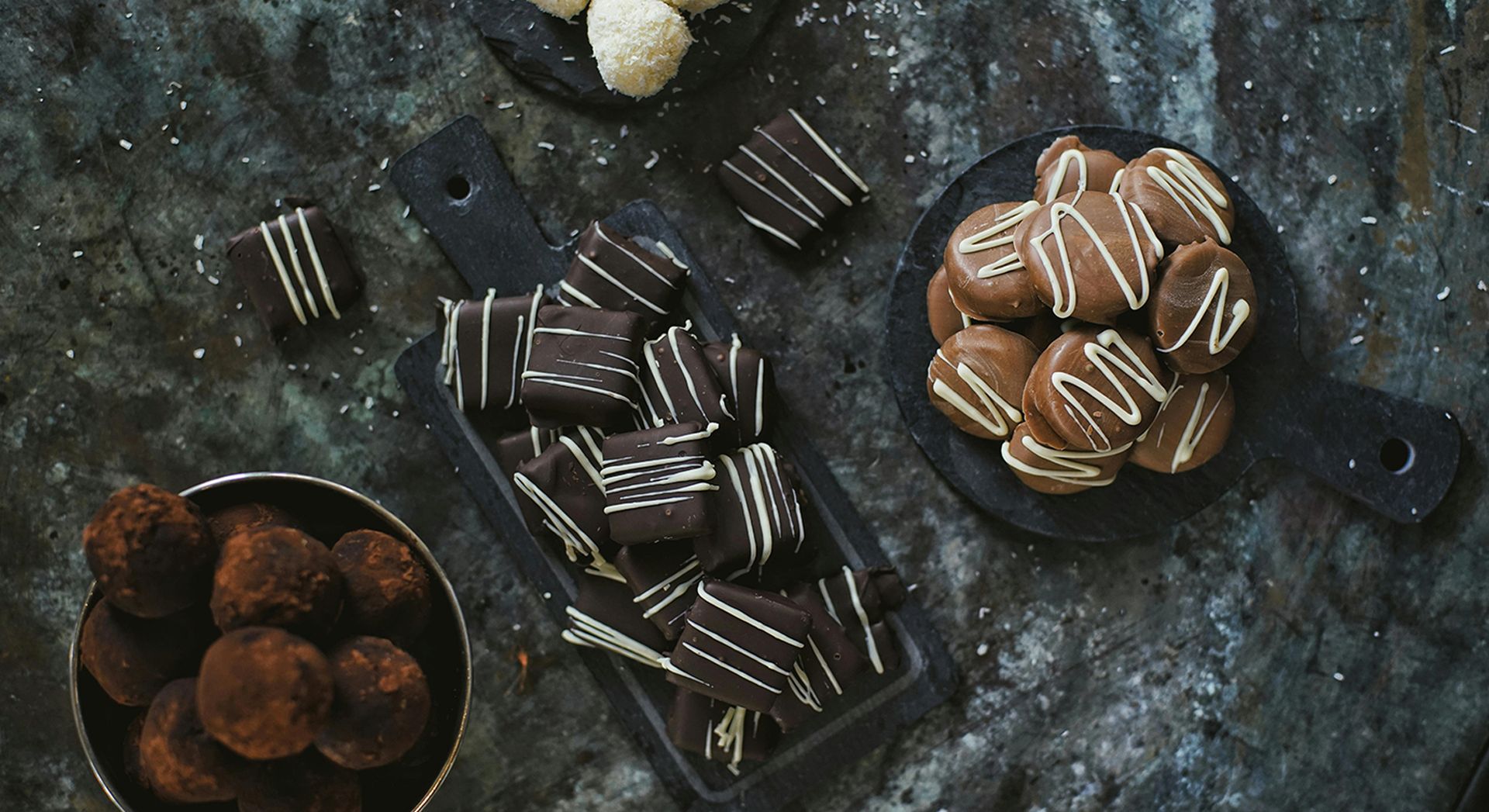
Enhance Your Chocolate Production with Ammar Machinery’s Cutting-Edge Wrapping Solutions
Enhance Your Chocolate Production with Ammar Machinery’s Cutting-Edge Wrapping Solutions Are you looking to take your chocolate production to the next level? Ammar Machinery, a leading chocolate wrapp...
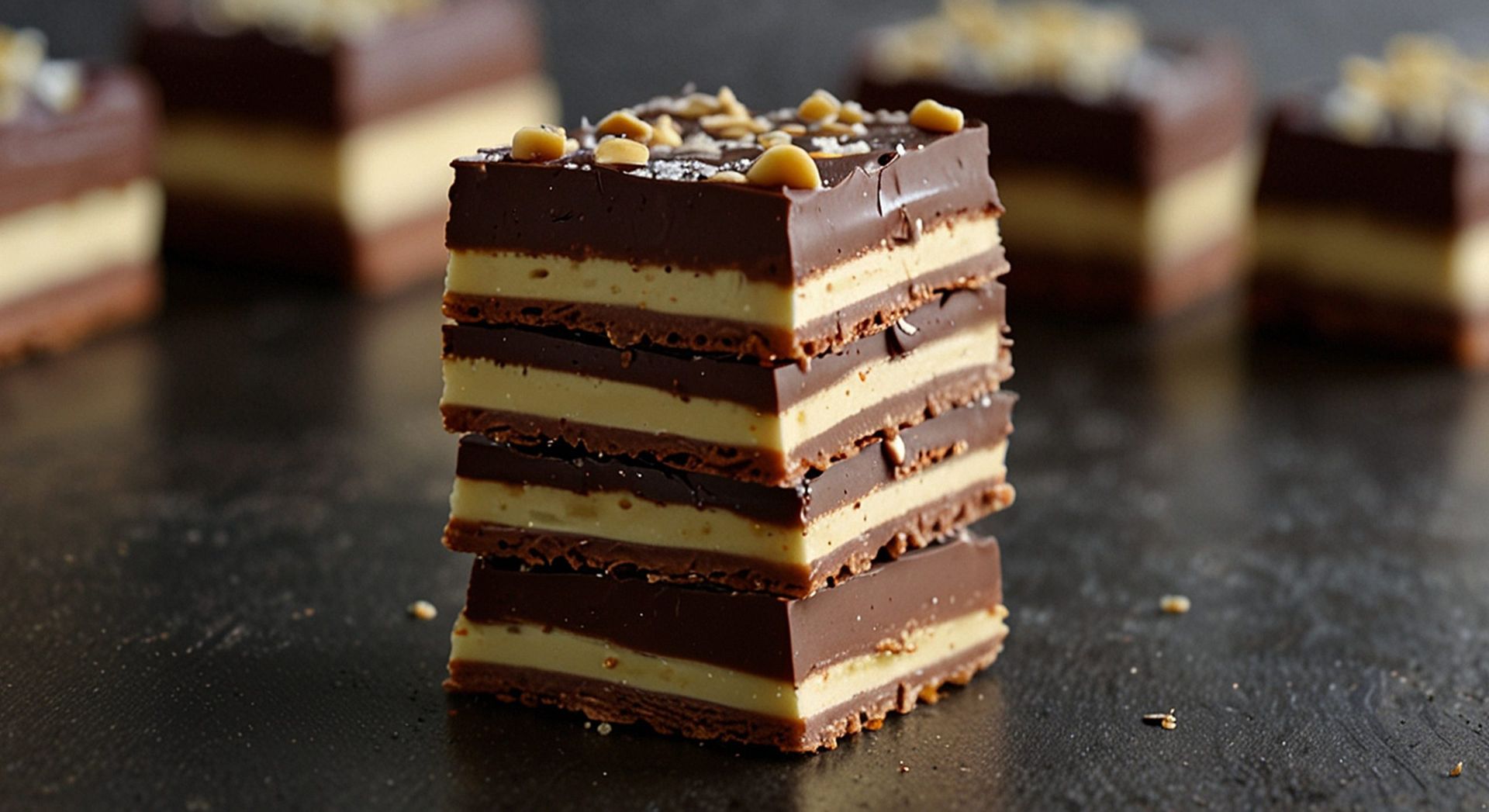
Automation in Chocolate Making: How Machines are Revolutionizing the Industry
Automation in Chocolate Making: How Machines are Revolutionizing the Industry Automation is reshaping the chocolate industry, bringing unprecedented efficiency and precision to the production process....